Machine Photos
Mehmi Financial
Equipment Finance

Wiseman Finance
Asset Finance

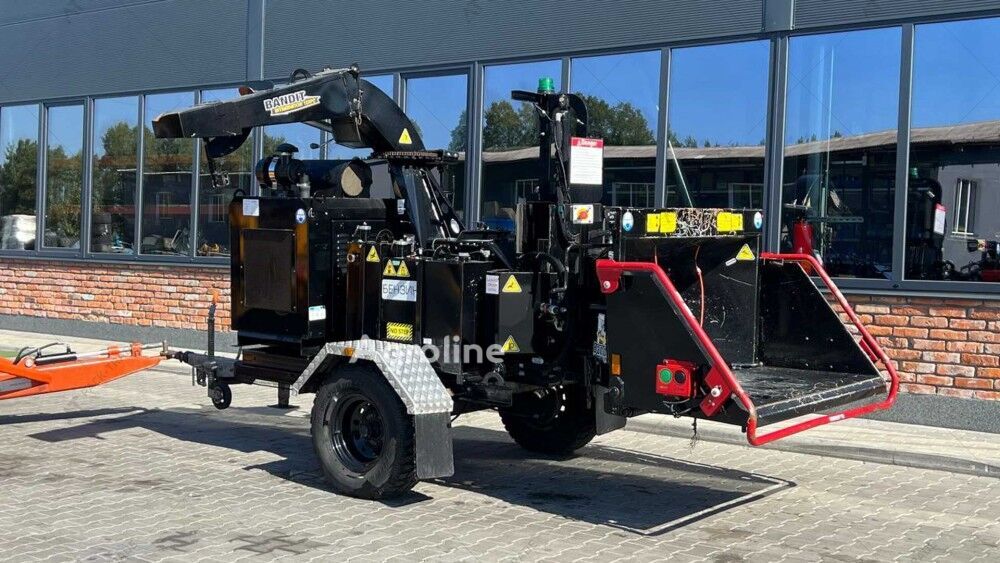
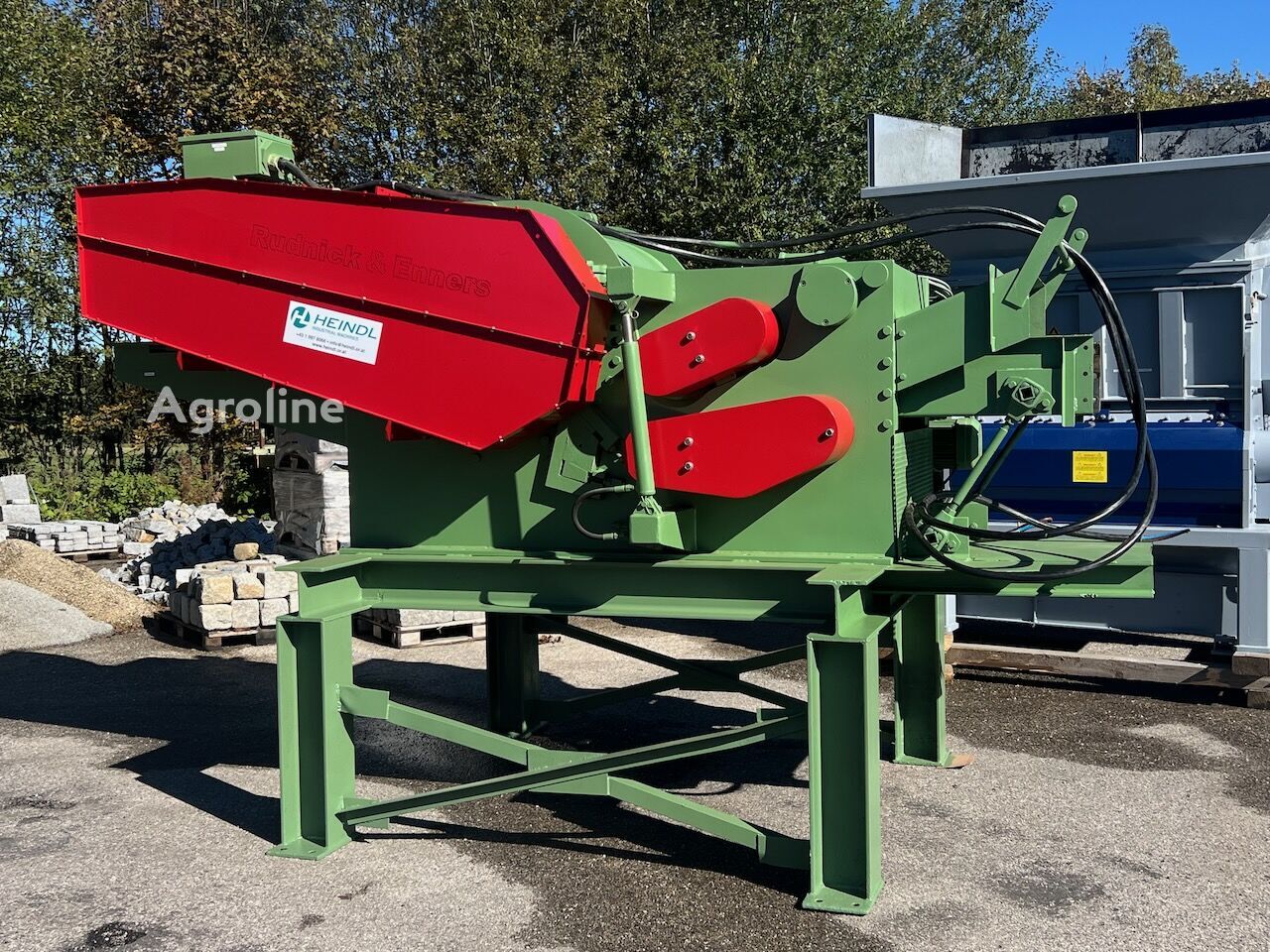
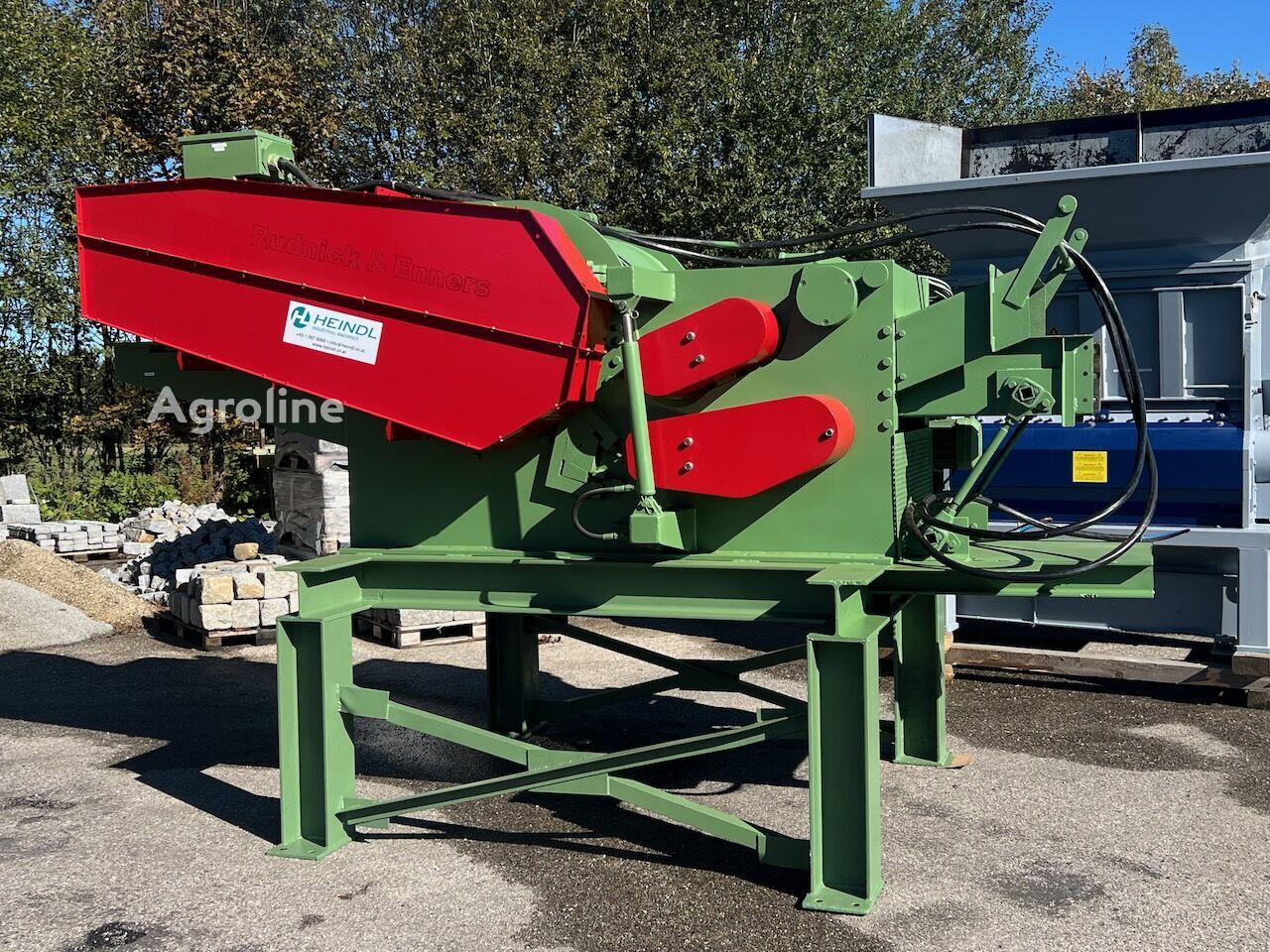
2011 - Bruks RE-TH 250 700 Wood Chipper
- Listing No
- 1089129
- Year
- 2011
- Manufacturer
- Bruks
- Model
- RE-TH 250 700
- Condition
- Used
- Location
- Austria
- Price
- POA
- Description
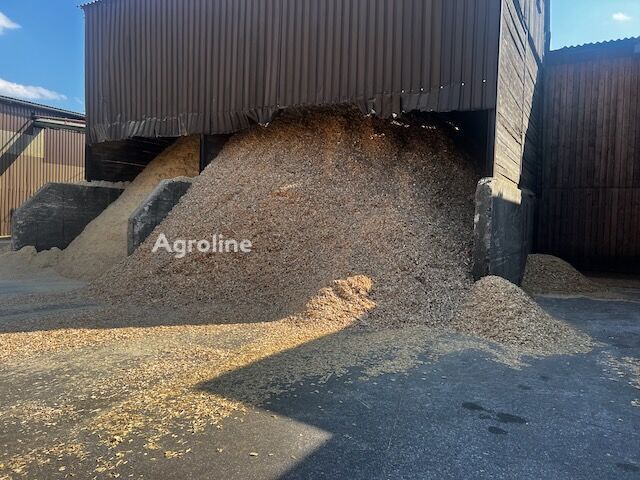
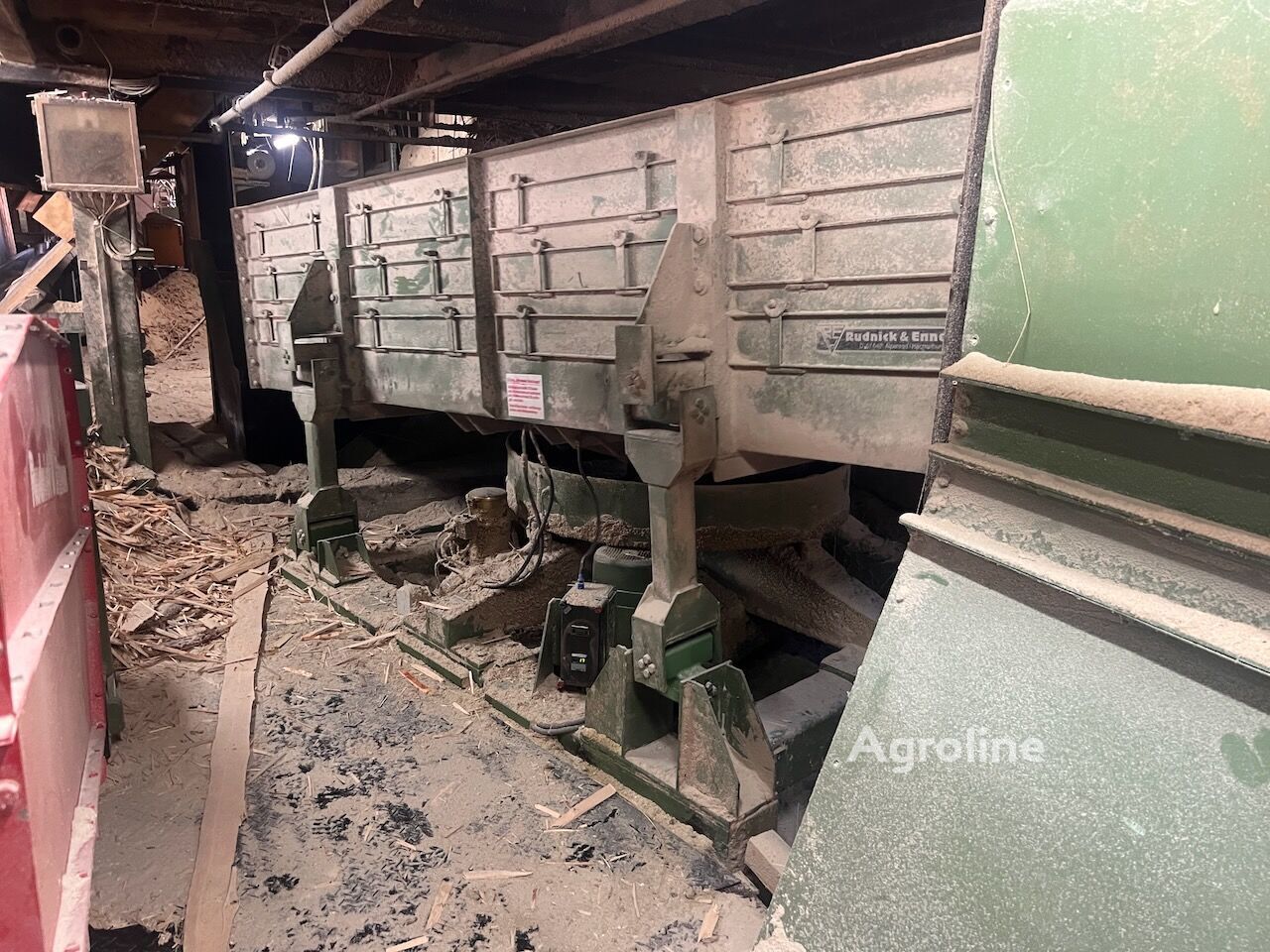
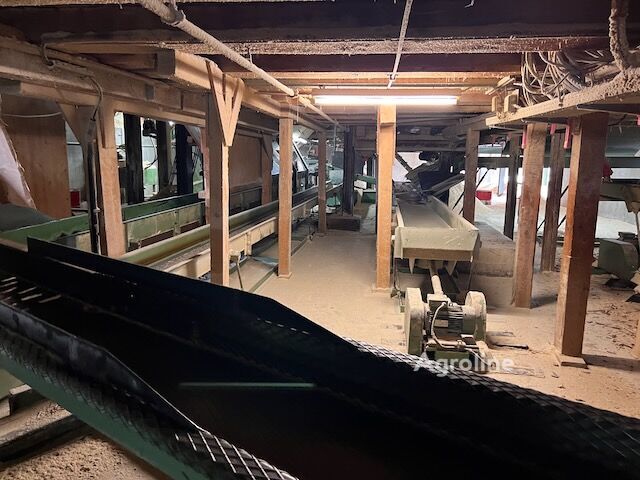
- COMPLETE RESIDUAL WOOD DISPOSAL LINE RUDNICK & ENNERS – Year of Manufacture 2011 For sale is a complete residual wood disposal system by Rudnick & Enners, manufactured in 2011. The line consists of 20 components and was used in a sawmill for the automatic transport, sorting, and processing of slabs, sawdust, and wood waste. The system is modular, disassembled, in very good condition, and immediately available. Technical overview – Positions 1 to 20 01 – Curved chain conveyor from reducer, W 600 mm 02 – Vibrating chute 1 – edging line, L 13.0 m, W 650 mm 03 – Vibrating chute 2 – edging line, L 15.0 m, W 650 mm 04 – Vibrating chute – saw line, L 8.50 m, W 500 mm 05 – Vibrating chute 1 – saw line, L 10.0 m, W 500 mm 06 – Vibrating chute 2 – saw line, L 9.0 m, W 500 mm 07 – Vibrating chute – log carriage roller path, L 7.50 m, W 500 mm 08 – Vibrating chute – trimming line, L 11.0 m, W 650 mm 09 – Vibrating chute – trimming line, L 9.0 m, W 650 mm 10 – Auger conveyor for sawdust, L 4.0 m, Ø 300 mm 11 – Conveyor belt to chipper, L 3.60 m, W 500 mm 12 – Slab conveyor belt, L 11.0 m, W 300 mm 13 – Waste conveyor belt, L 11.60 m, W 300 mm 14 – Metal detector 15 – Chipper type RE-TH 250/700/5, motor 75 kW 16 – Twin auger under chipper, W 600 mm 17 – Curved chain conveyor to screen, W 600 mm 18 – Screen R&E, L 4.0 m, W 2.0 m 19 – Curved chain conveyor to landfill, W 500 mm / 300 mm 20 – Chain conveyor to chip storage, W 600 mm Additional information Manufacturer Rudnick & Enners Year of manufacture 2011 Condition very good, used, disassembled Availability immediately from stock Location A-3525 Lugendorf, Austria Application sawmills, biomass systems, wood processing Price on request For more information or to schedule a viewing, feel free to contact us.