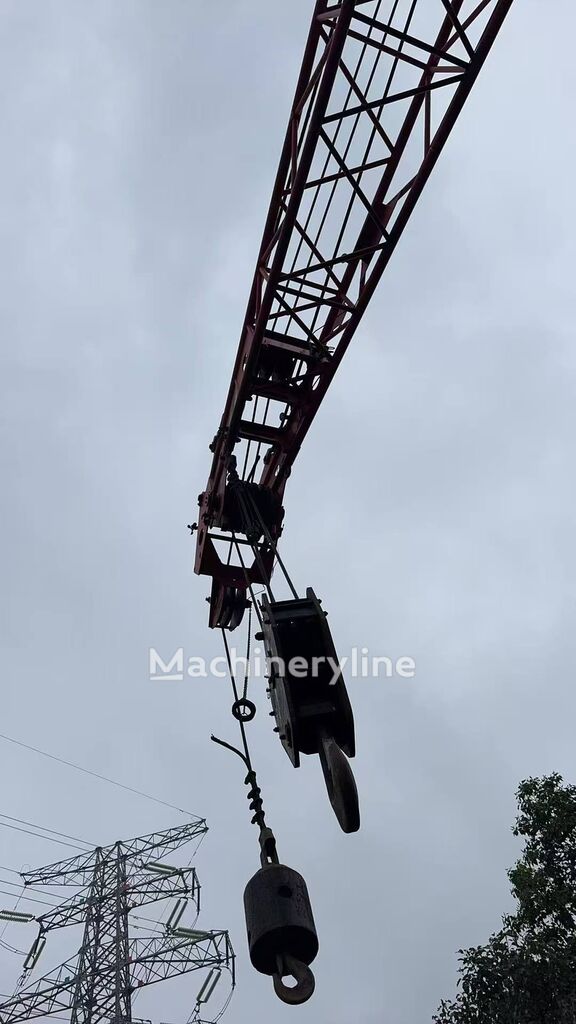
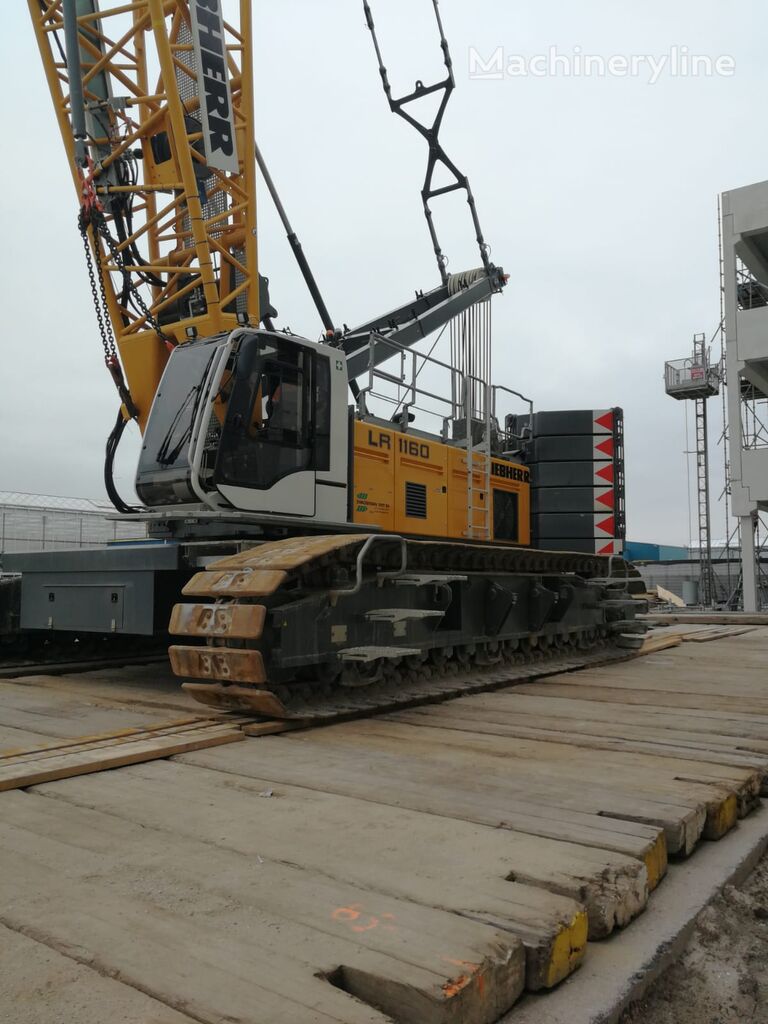
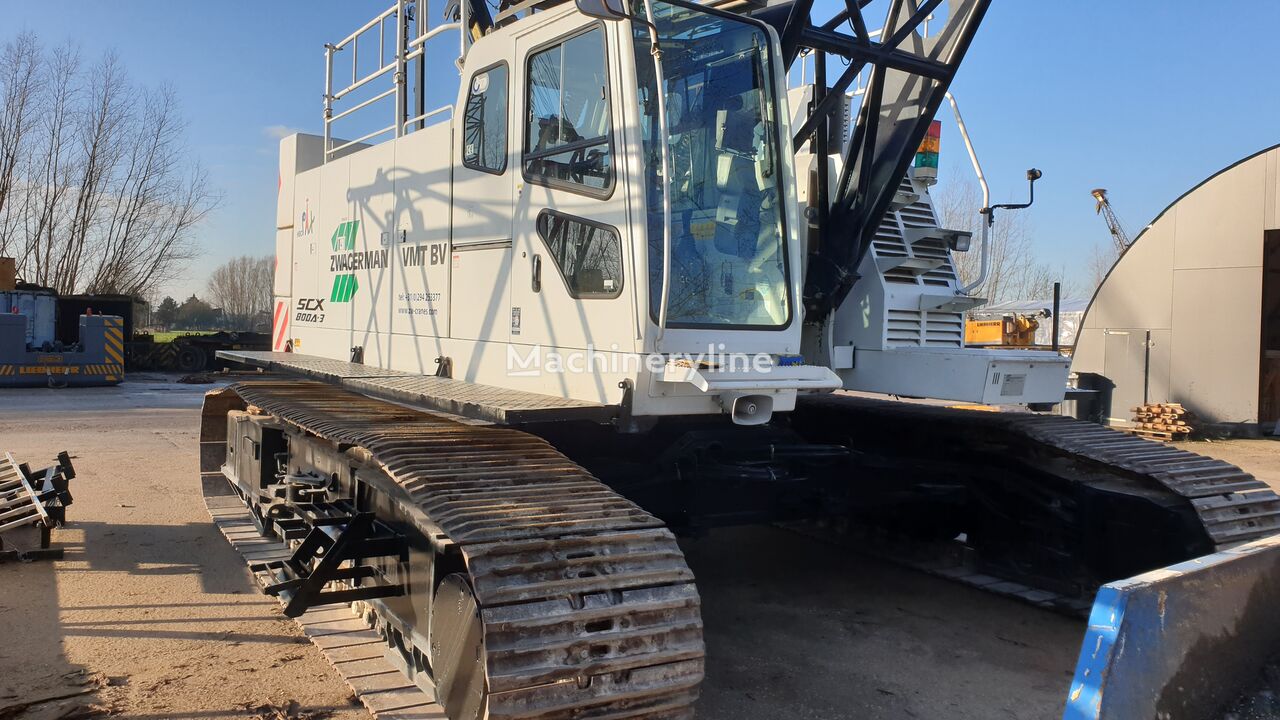
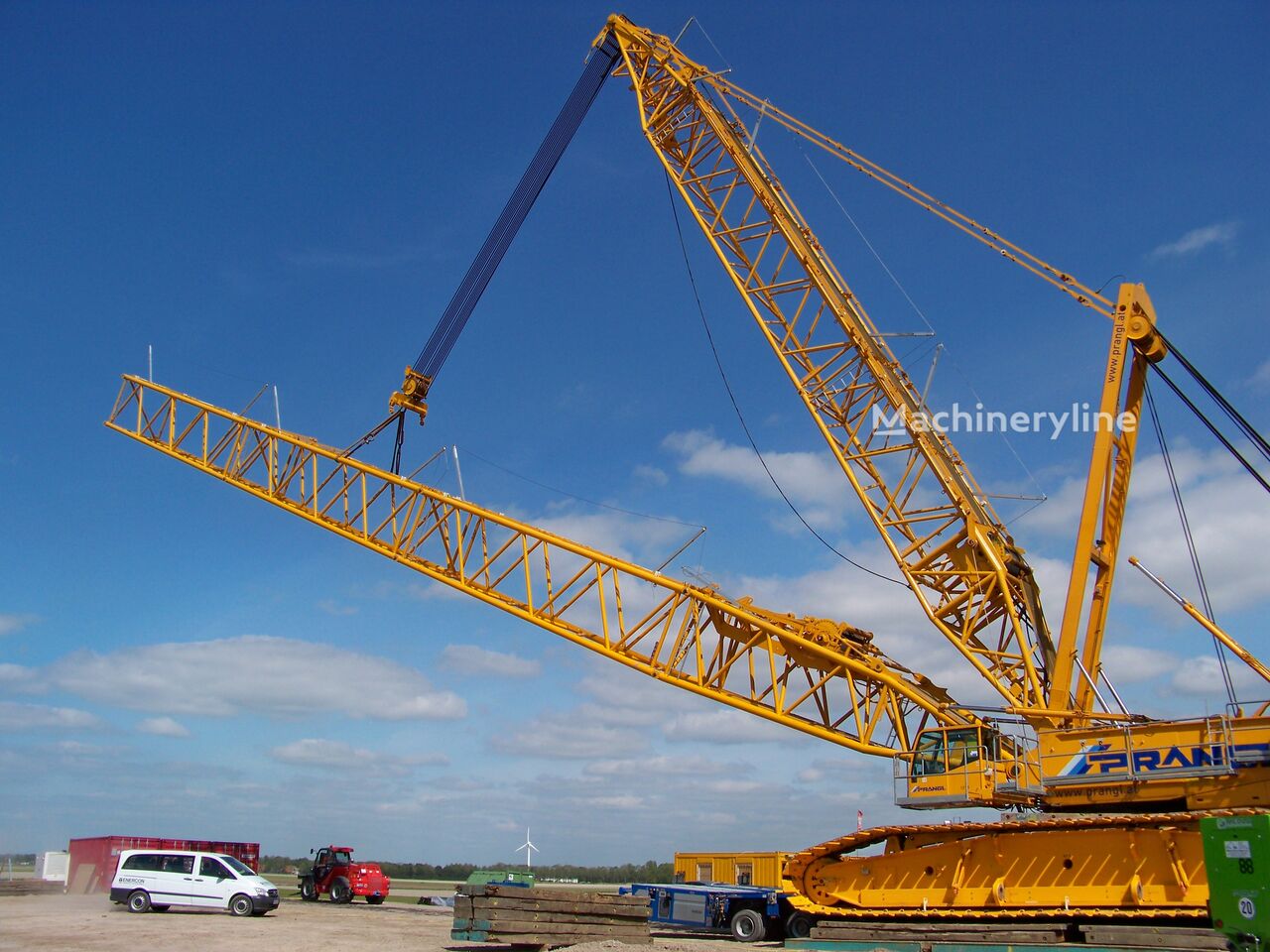
Machine Photos
Creditpath
Equipment Financing
Currency Finance
Finance Solutions

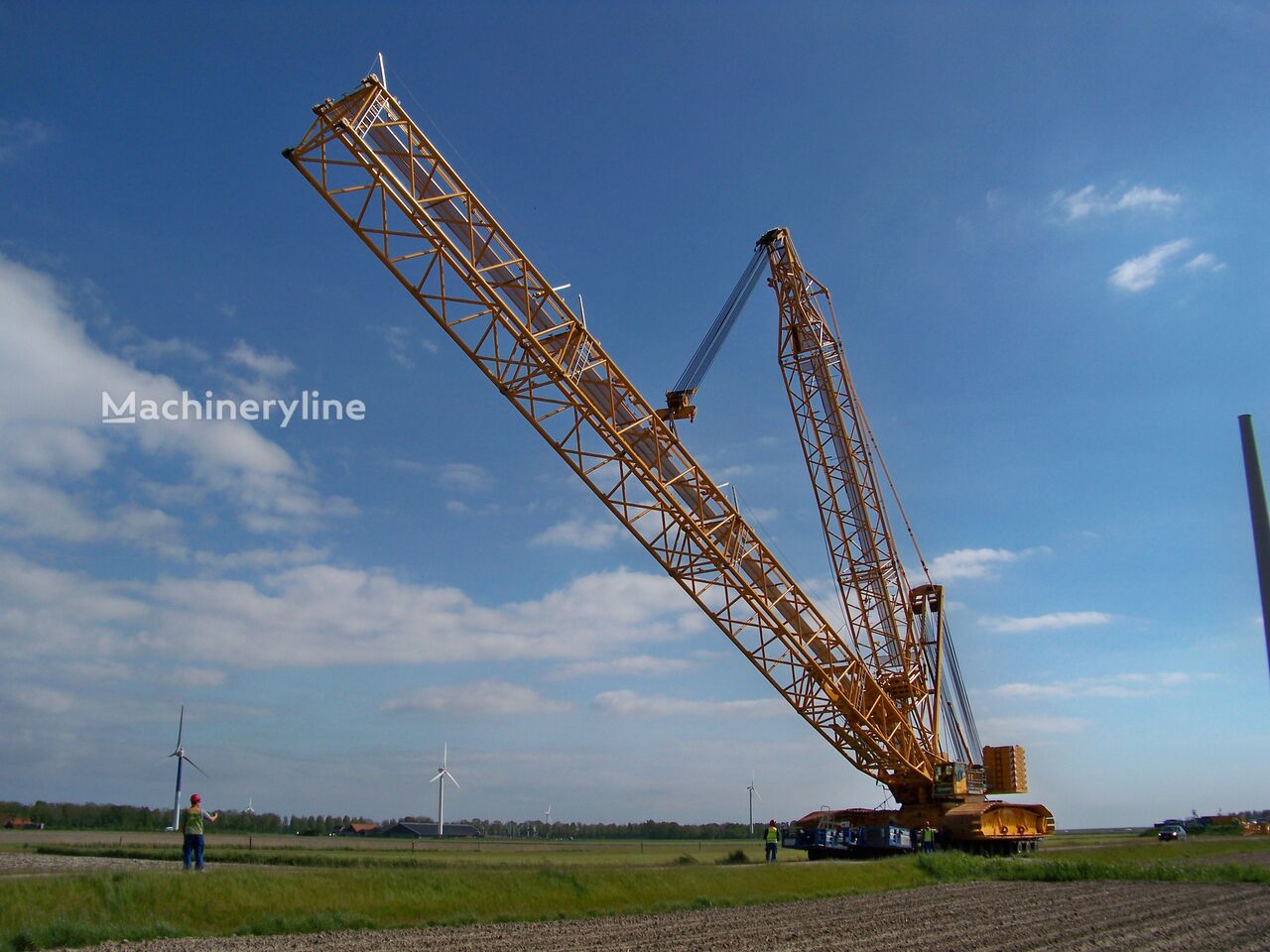
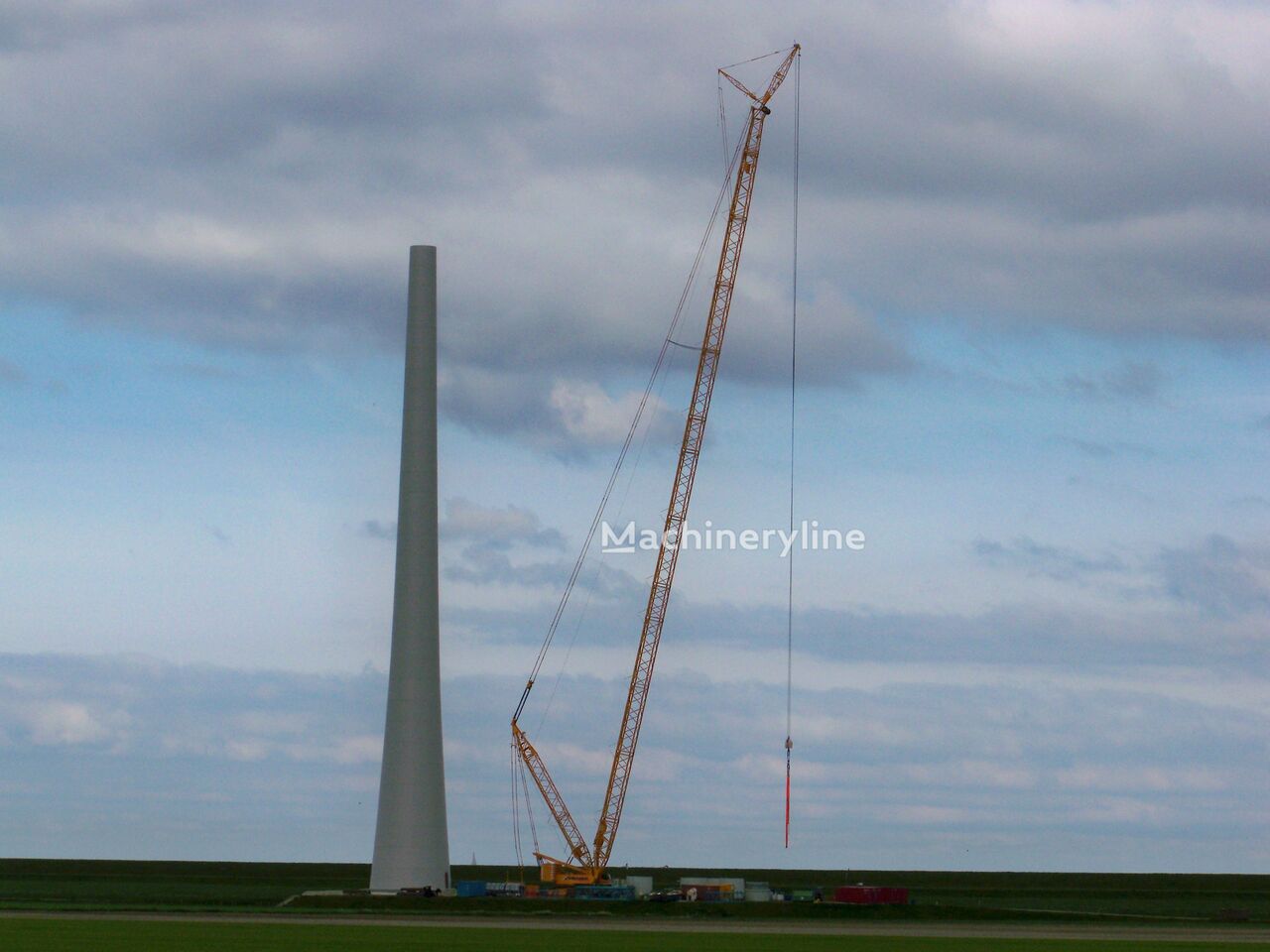
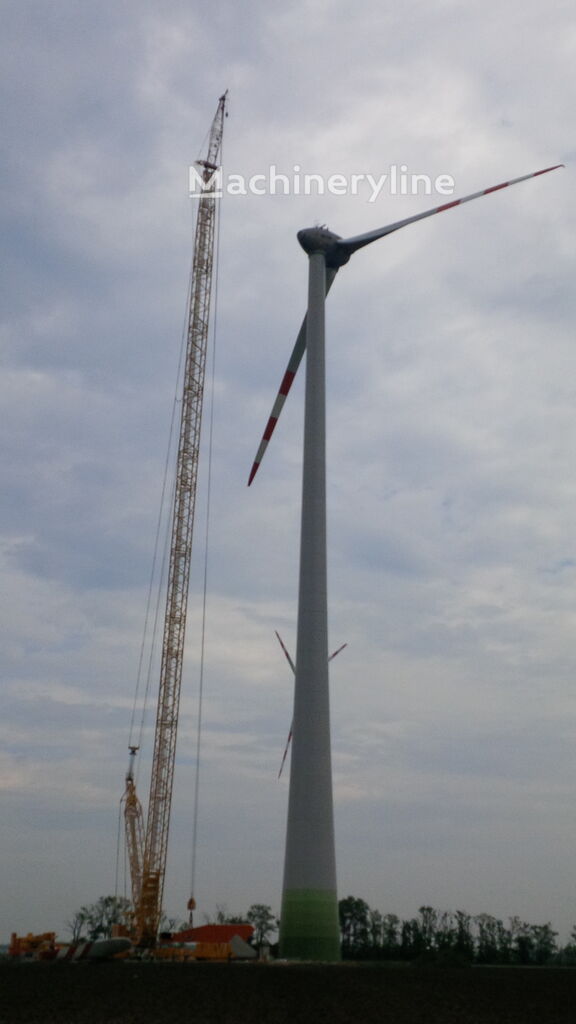
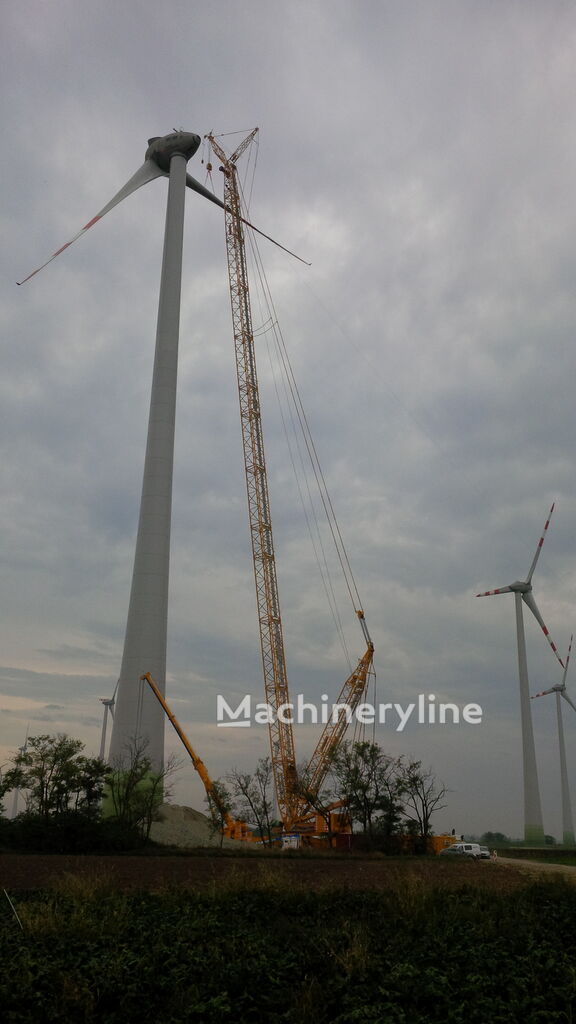
2012 - Terex CC 2800-1 Crawler Crane
()- Listing No
- 995109
- Year
- 2012
- Manufacturer
- Terex
- Model
- CC 2800-1
- Condition
- Used
- Location
- Austria
- Price
- POA
- Description
-
Interne Nummer: K1276 Kranpass und Colli-Liste im Anhang! Possible configuration: HSW-SL 108m + 60m Wippe / luffing jib HSW-SL 96m + 84m Wippe / luffing jib SH = 84m SH + LF2 = 84 + 12m SH/LH + S7 = 108m SH/LH + S7 + LF2 = 108 + 12m (H)SSL + S7 = (108) 96m (H)SSL + S7 + LF2 = (108) 96m + 12m SSL/LSL + S7 = 138m SSL/LSL + S7 + LF2 = 138 + 12m 120to Counterweight on the SL can be sold too! Grundgerät Gittermastkran TEREX CC 2800-1 RAUPEN - UNTERWAGEN hydraulischer Antrieb Automatische Zentralschmieranlage Hydraulische Abstützung zur Montage der Raupenträger hydraulische Verbolzung der Raupenträger Spurbreite 8,4m Bodenplatten 1.500mm breit Zentralballast 60t OBERWAGEN Dieselmotor Daimler Chrysler OM 502 LA, 390 kW/530PS Edelstahl Auspuffanlage mit Funkenfänger Hubwerk H1, Hubwerk H2, mit Windendrehmelder Einziehwerk E, Drehwerk, bewegte Seile - Hubseil H1, Hubseil H2, Einziehseil E Aufrichte-Bock (inkl. hydraulische A-Bock Umlage) Gegengewicht 180t, Stahlkastengewicht Komfort-Kabine, seitlich schwenkbar, hydraulisch nach hinten neigbar Klimaanlage hydr. Verbolzung Fussbolzen/HA, motorunabhängige Warmluftheizung Einscherwinde elektrische Anlage, 24 V, Sicherheitseinrichtung mit Lastmomentbegrenzer Arbeitsbereichsbegrenzung Funksteuerung für Montagefunktion EINRICHTUNG TEREX CC 2800-1 Hauptausleger SH mit SH Kopf und 600t Rollensatz; Länge 84m Absturzsicherungen an den Auslegerteilen: SH 84m, S7 Kit und SL Mast 30m. S7 Kit 48m "Main Boom Kit with luffing jib head Length 48m (4 sections) enables SH/LH SGL max. 102m o. SSL/LSL SGL max. 138m. Starrer Hilfsausleger LF, mit Stütze 9,1m mit Haltestangen, 125: Länge 12m Runner für LF2 WU Stangen, Länge 108m für Hilfsausleger SW, SFVL, LFVL Superlift - Einrichtung Mast 30m Mastabstützung, Wipptraverse Winde W2 (im SL-Mast) mit Seil SL-Gegengewichts-Tragrahmen für max. 300t für SL-Radien 11/13/15m SL-Gegengewicht nicht enthalten (nach Vereinbarung!) Show the whole comment
About this machine
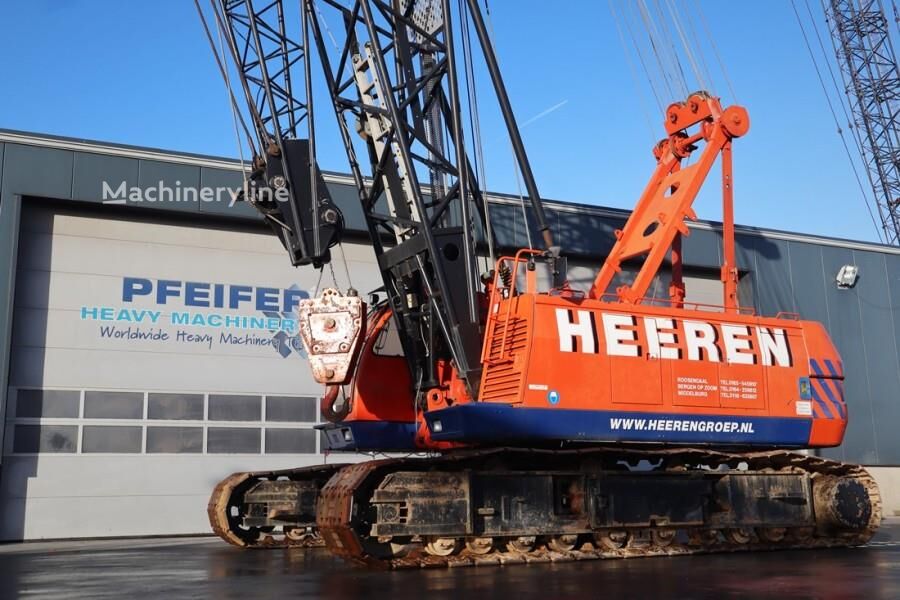
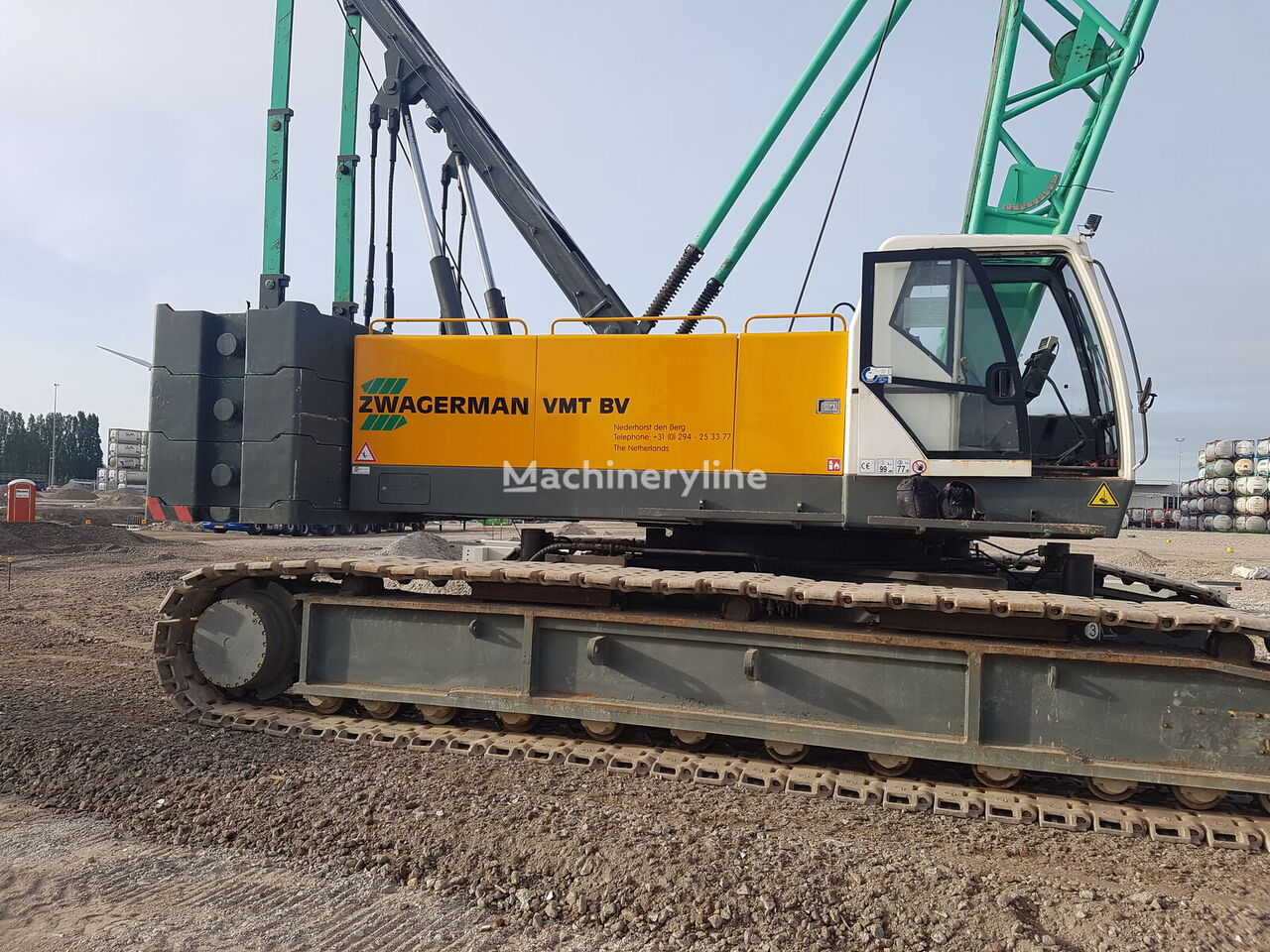
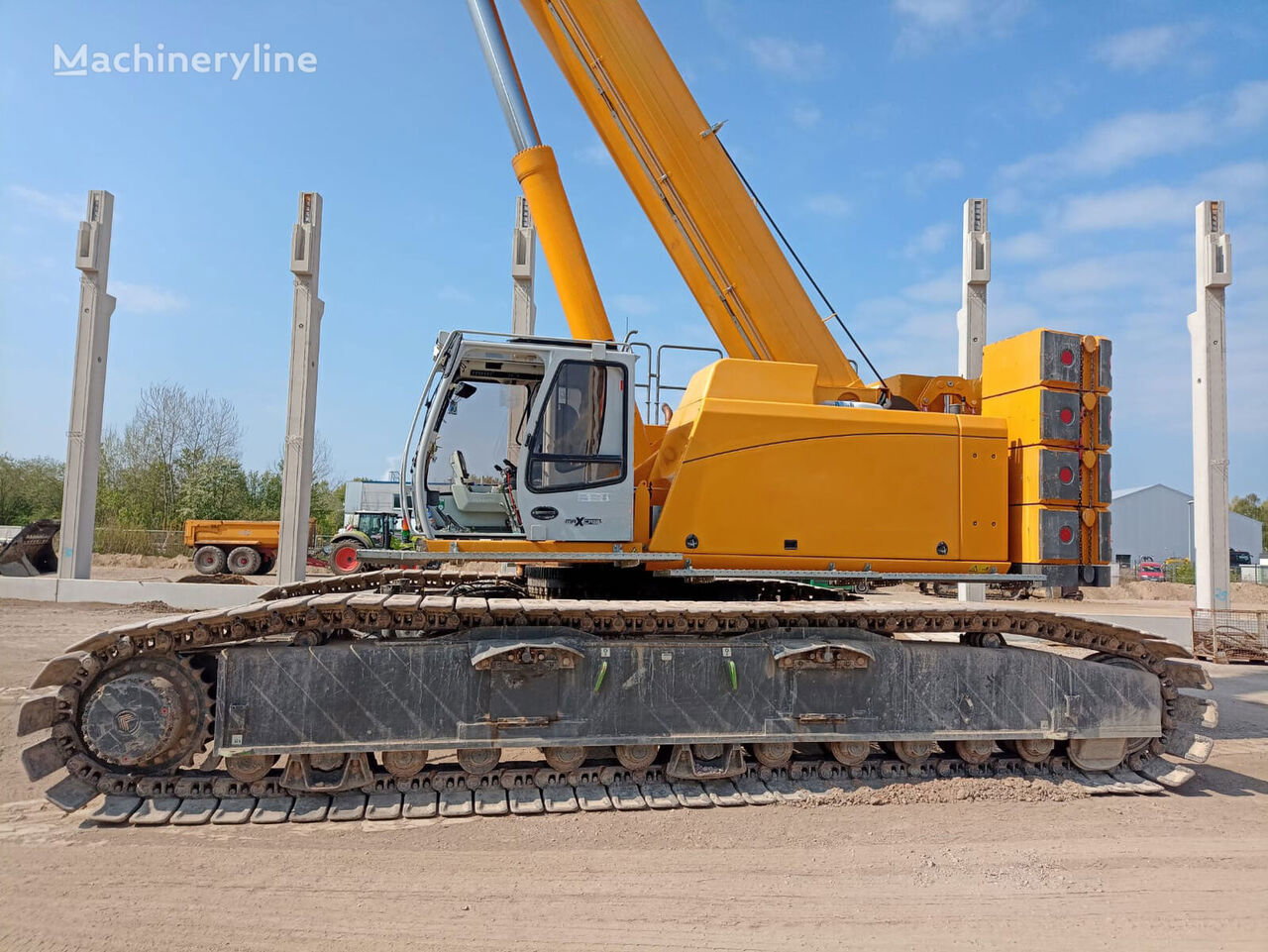
This Terex CC 2800-1 is a used crawler crane — sometimes referred to as a lattice boom crane — dating from 2012 and currently located in Austria. Crawler cranes are heavy-lift machines designed for demanding construction, infrastructure, and industrial projects where high lifting capacity and stable, tracked mobility across uneven ground are required. Terex is a well-established manufacturer of lifting and material-handling equipment, supplying cranes, aerial work platforms, and related machinery to the construction and industrial sectors worldwide.
The crane is built around a tracked undercarriage with hydraulic drive, a track gauge of 8.4 metres, and ground pads 1,500 mm wide. The crawler carriers are fitted with hydraulic mounting supports and hydraulic pin connections, and the machine includes an automatic central lubrication system. Central ballast on the undercarriage is rated at 60 tonnes.
Power comes from a Daimler Chrysler OM 502 LA diesel engine producing 390 kW (530 hp). The uppercarriage is equipped with two hoisting winches (H1 and H2, both with drum rotation indicators), a luffing winch (E), and a slewing gear. The hoist ropes for H1 and H2 and the luffing rope are included. Additional uppercarriage features include a derrick A-frame with hydraulic ballast distribution, a 180-tonne steel box counterweight, a reeving winch, a comfort cab that can swing laterally and tilt hydraulically to the rear with air conditioning and an engine-independent warm-air heater, a 24 V electrical system, a load moment limiter with safety device, a working area limiter, and a radio remote control for assembly functions. The exhaust system is stainless steel with a spark arrestor.
The boom and rigging equipment offered with this machine is extensive. The main boom (SH) is configured to 84 metres with an SH head and a 600-tonne block assembly. An S7 kit of 48 metres (four sections) is included, serving as the main boom extension with luffing jib head and enabling boom combinations up to 102 metres (SH/LH SGL) or 138 metres (SSL/LSL SGL). A fixed auxiliary jib (LF) of 12 metres with support strut of 9.1 metres and retaining rods is included, along with a runner for LF2 configuration and WU strut rods of 108 metres length for auxiliary boom types SW, SFVL, and LFVL. Fall protection equipment is fitted to the boom sections for SH 84 m, the S7 kit, and the SL mast at 30 metres.
The crane is also equipped with a superlift system comprising a 30-metre SL mast, mast support, luffing traverse, and a winch W2 with rope mounted within the SL mast. The SL counterweight carrier frame accommodates up to 300 tonnes and is compatible with SL radii of 11, 13, and 15 metres. The SL counterweight itself is not included as standard but may be available by arrangement; a separate 120-tonne counterweight for the SL configuration is also offered for sale.
The possible boom and luffing jib configurations available with this equipment include an HSW-SL arrangement of 108 metres main boom plus 60 metres luffing jib, or 96 metres main boom plus 84 metres luffing jib. The full range of boom combinations documented in the seller's records spans from 84 metres in basic SH configuration up to 138 metres plus a 12-metre fixed jib extension in the SSL/LSL S7 LF2 arrangement. A crane certificate and colli list are available as attachments to the listing.
This description was generated automatically from the listing details and may not reflect every specification. Please confirm with the seller before purchase.