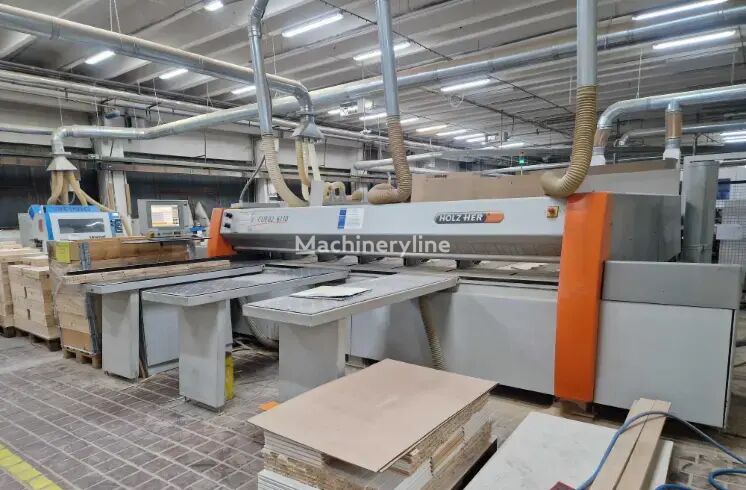
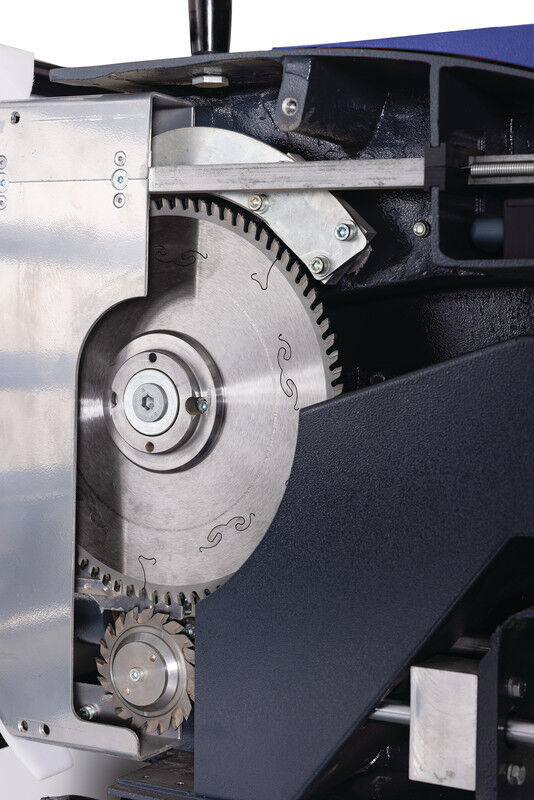
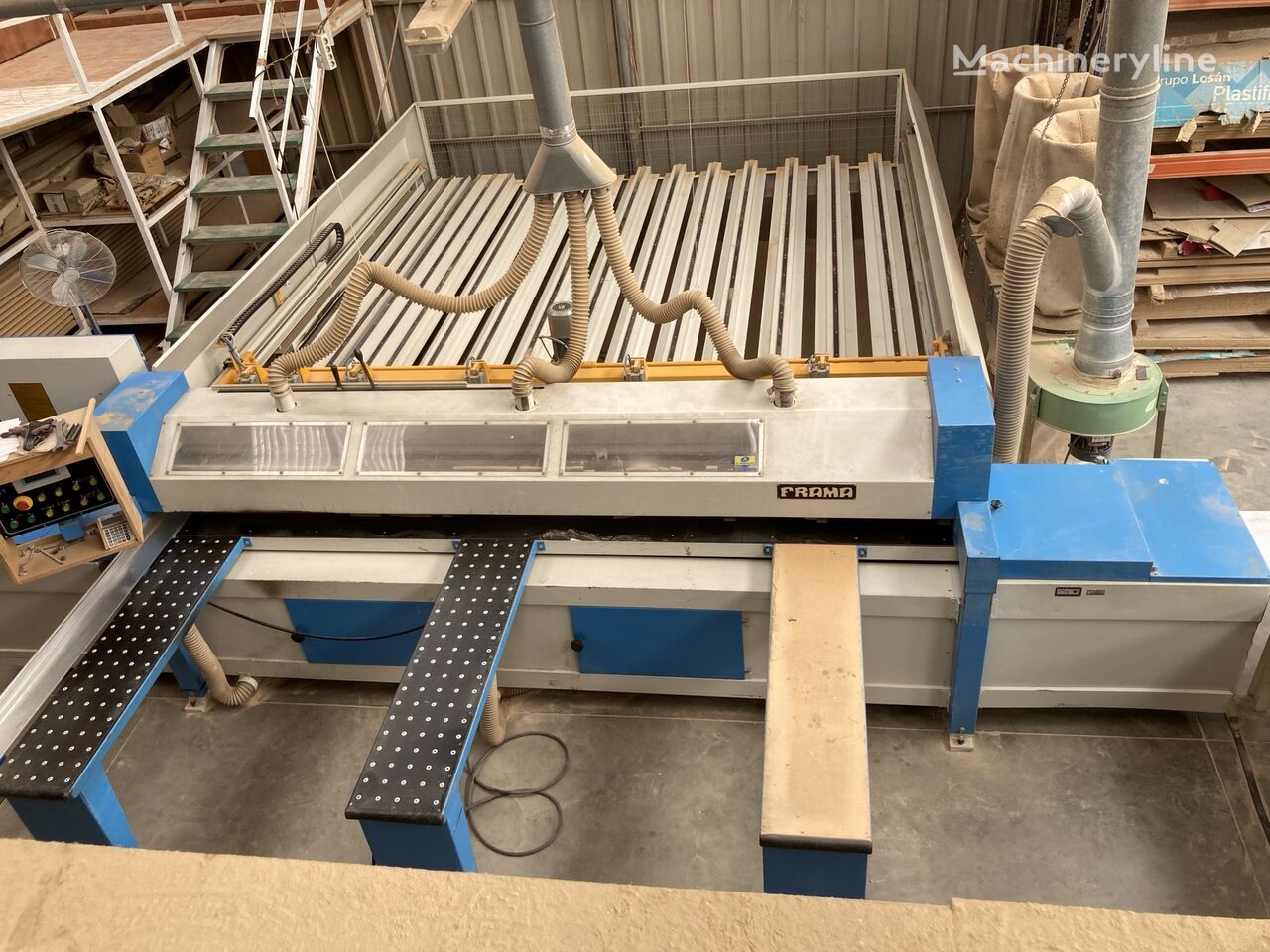
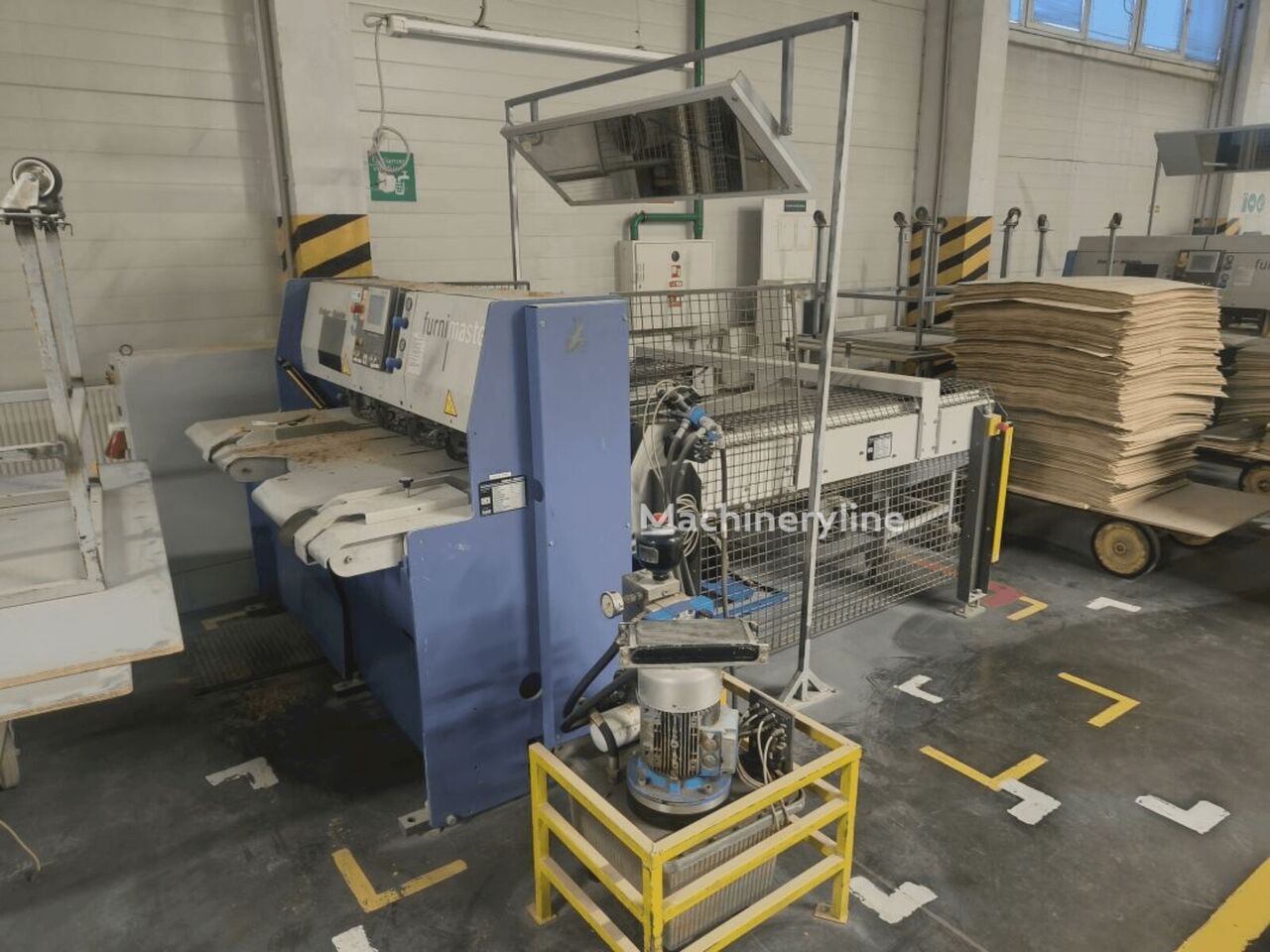
Machine Photos
Mortgage Choice
Equipment Finance

Business Funding Now
Credit Lines

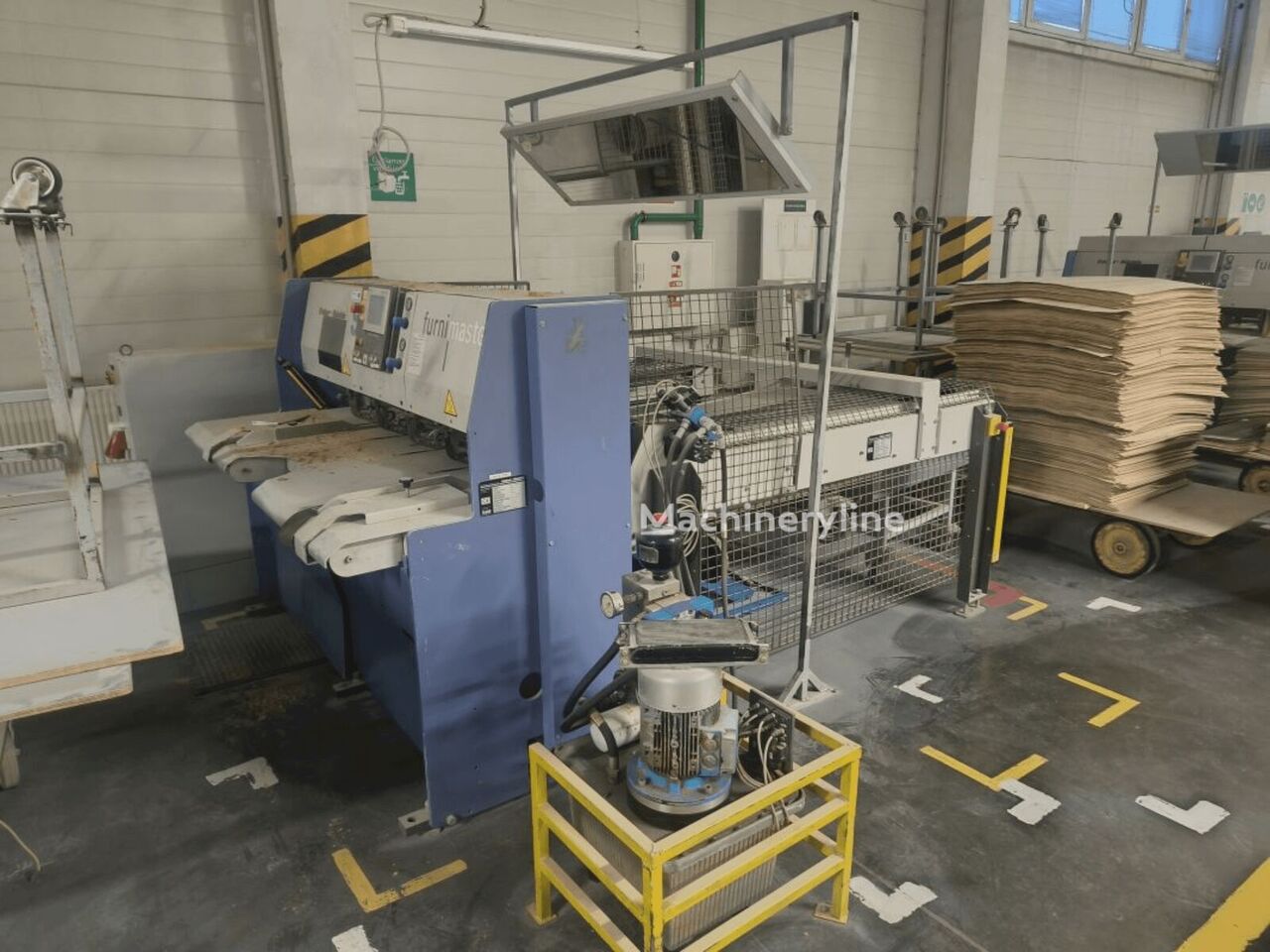
2014 - Fischer FZR15 DAR 12 Wood Saw
- Listing No
- 970677
- Year
- 2014
- Manufacturer
- Fischer
- Model
- FZR15 DAR 12
- Condition
- Used
- Location
- Germany
- Price
- POA
- Description
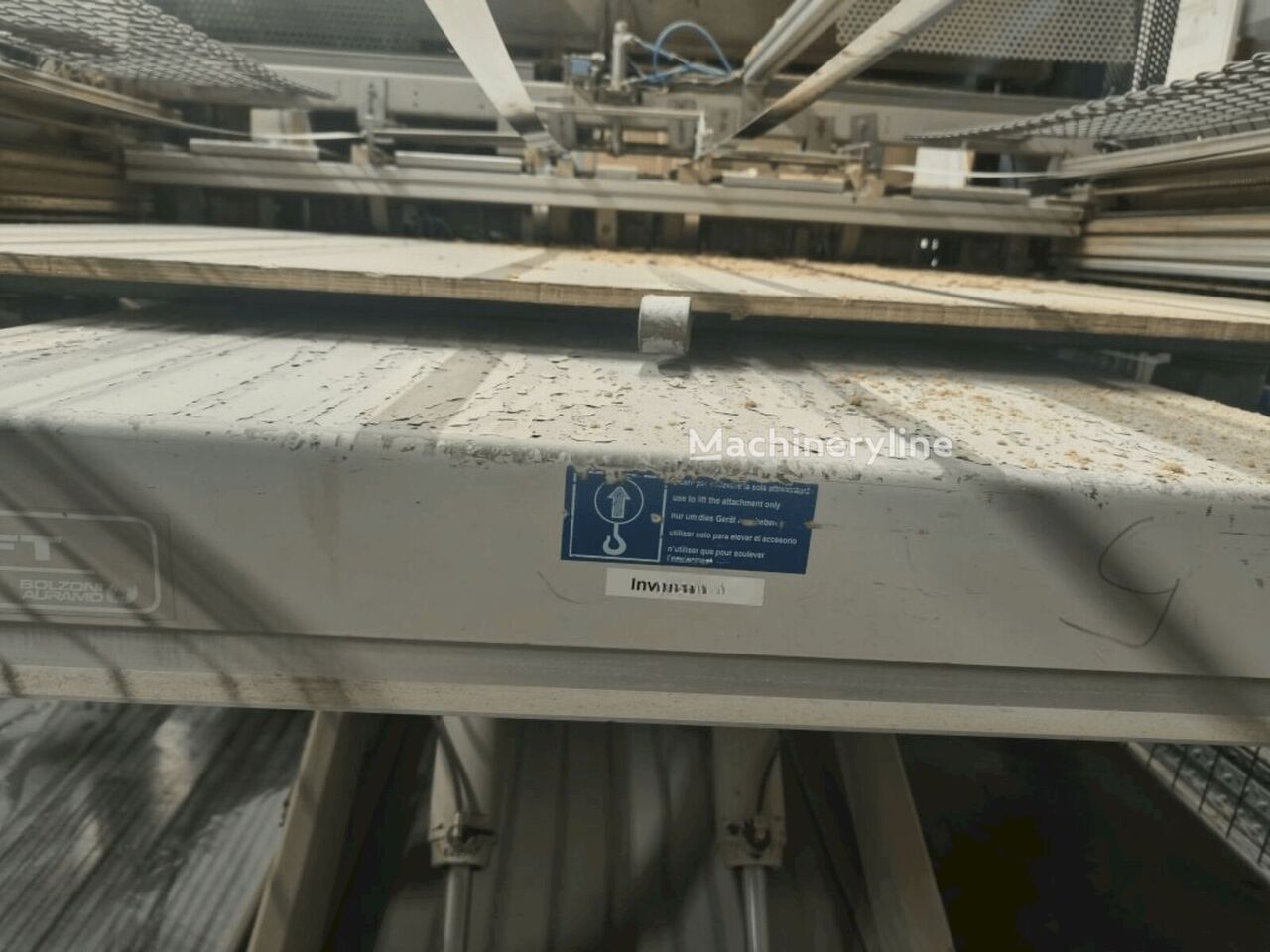
- This FISCHER & RüCKLE FZR15 / DAR 12 was manufactured in 2014. It's a used veneering machine designed for efficient crossfeed glue splicing of veneer strips. Features include a feeding device for semi-automatic feeding, a panel automatic for component-matched faces, and a direct stacking device for gentle discharging. Ideal for applications requiring precise veneer splicing. Contact us for more information about this machine. Additional equipment Feeding device for efficient and comfortable semi-automatic feeding of veneer strips. Panel automatic for component-matched faces with pre-sorted components and pre-selected number of veneer strips. Machine Benefits Technical Machine Benefits Veneer strip lengths (grain direction): 350 - 1500 mm Veneer strip widths (cross grain direction): 50 - 500 mm Veneer strip thickness: 0. 3 - 1. 5 mm Extra Information Features Perfect splicing of sliced or rotary cut veneer of all species, even with wavy or buckled veneer. Unique, horizontal pressing system resulting in fully closed, tight glue joints. Solid, strong construction for high durability, reliable and fail-safe operation. Ease of operation due to screen panel, clearly arranged icons, separated pressure gauges with direct access. Liftable pressure beam for fast and easy access to the heating plates for cleaning. Few wearing parts, low costs of services and maintenance. Clipper For clipping to pre-set format width (in cross grain direction). Direct Stacking Device DAR-22 Min. Veneer face lengths (grain direction): 350 mm Veneer Face widths (cross grain direction): 250 - 1200 mm Max. stack height approx.: 500 mm Max. stack width (cross grain) for unloading to rear end: 1200 mm Extra Information The technical data and descriptions are copies of the order confirmation at the time. Data is for information purposes only and is not binding. application type: Veneering Location: Lithuania machine type: Veneer Guillotine