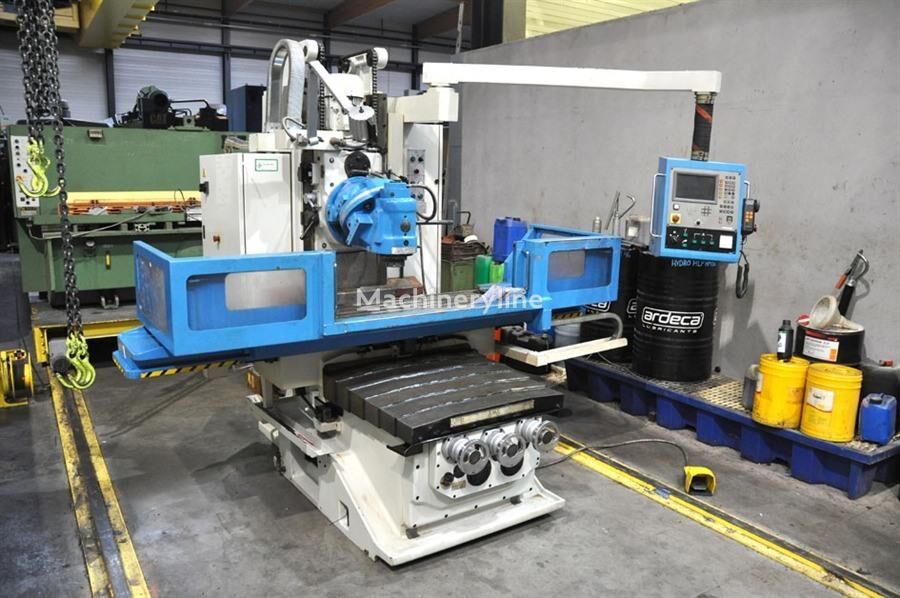
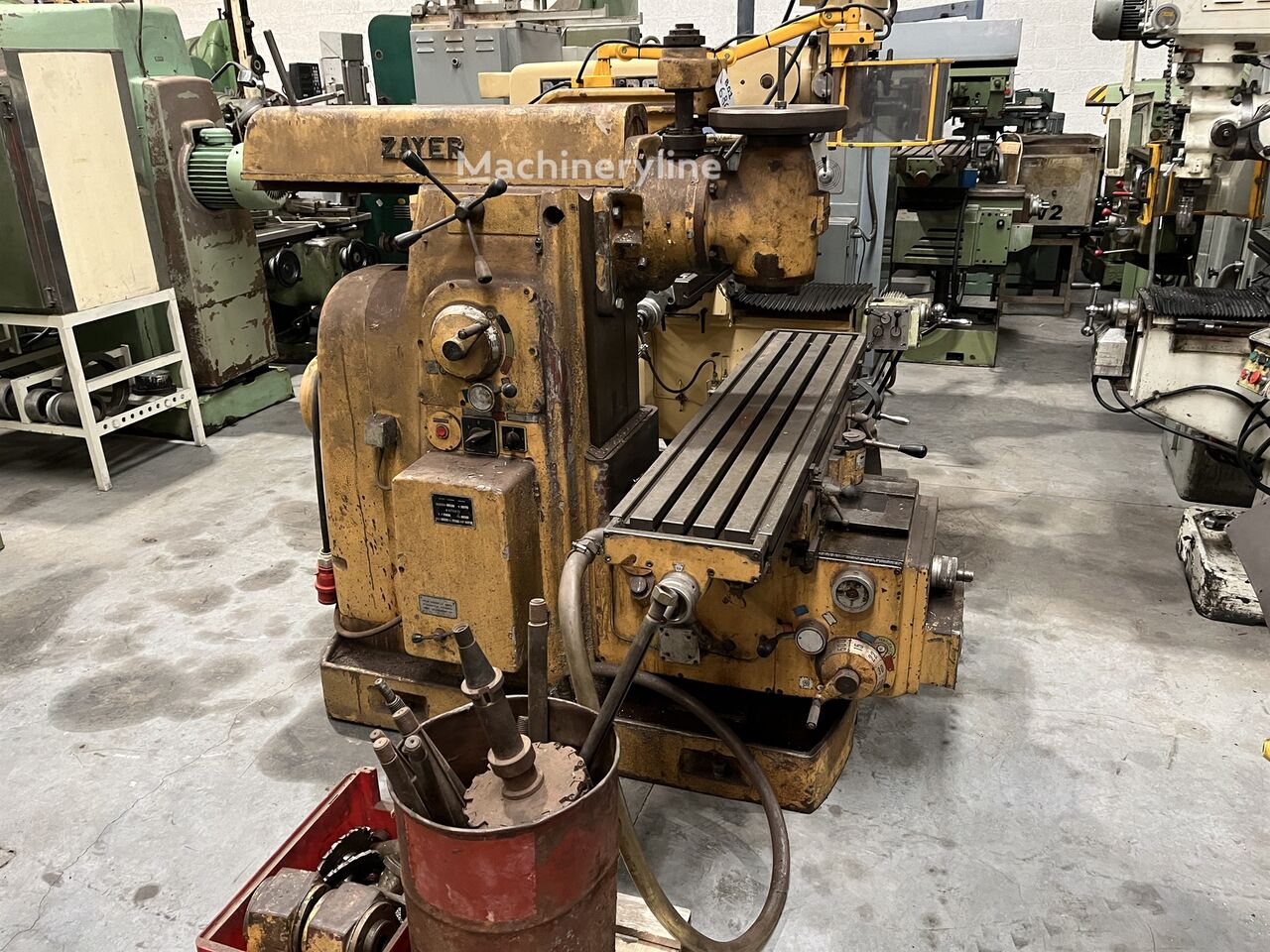
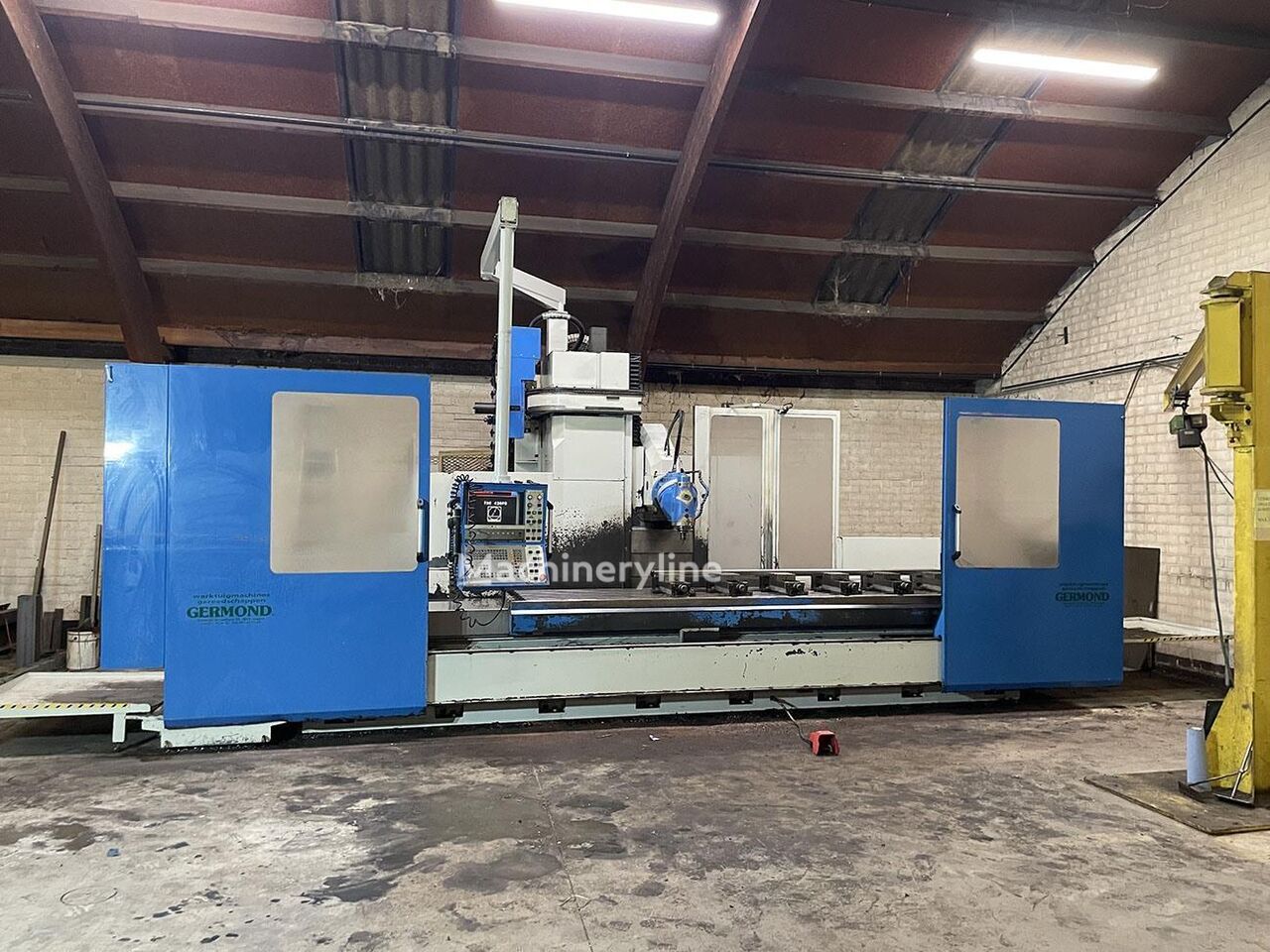
Machine Photos
Clearwater
Equipment Finance

Lexington
Equipment Financing

Johnford DMC-4100LH Milling Machine()
- Listing No
- 954043
- Year
- Manufacturer
- Johnford
- Model
- DMC-4100LH
- Condition
- Used
- Location
- Belgium
- Price
- POA
- Description
-
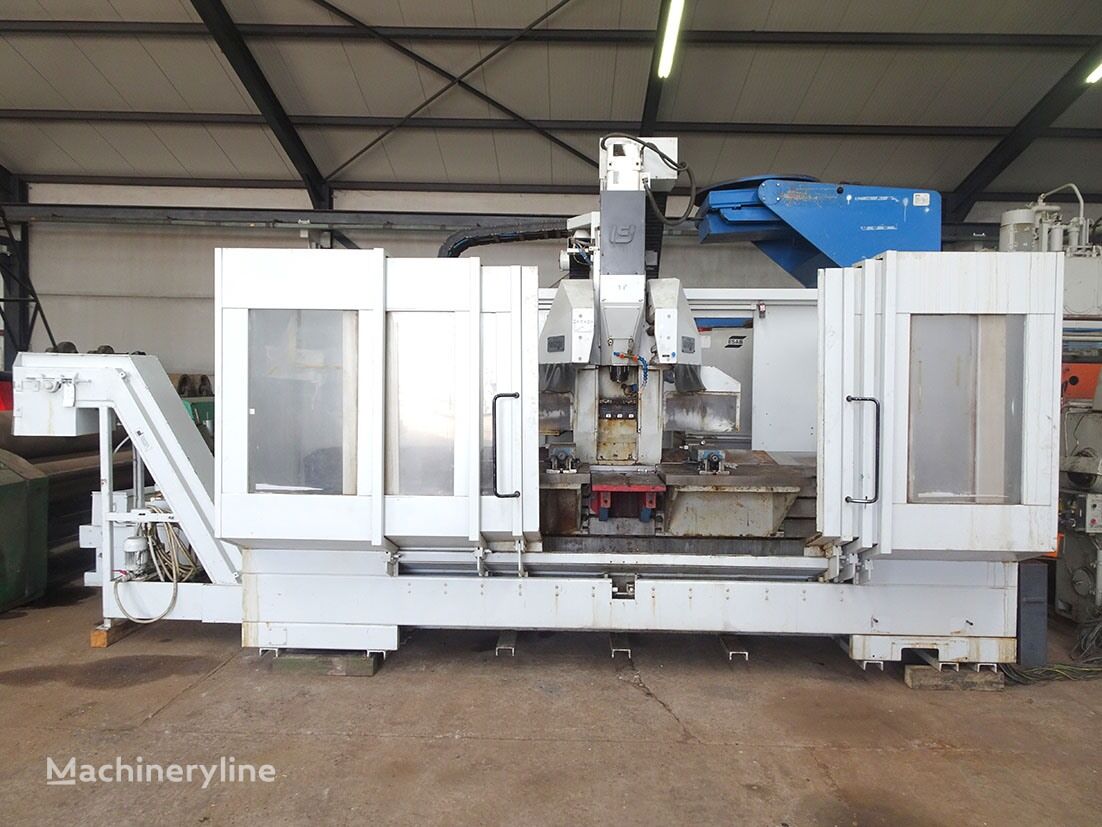
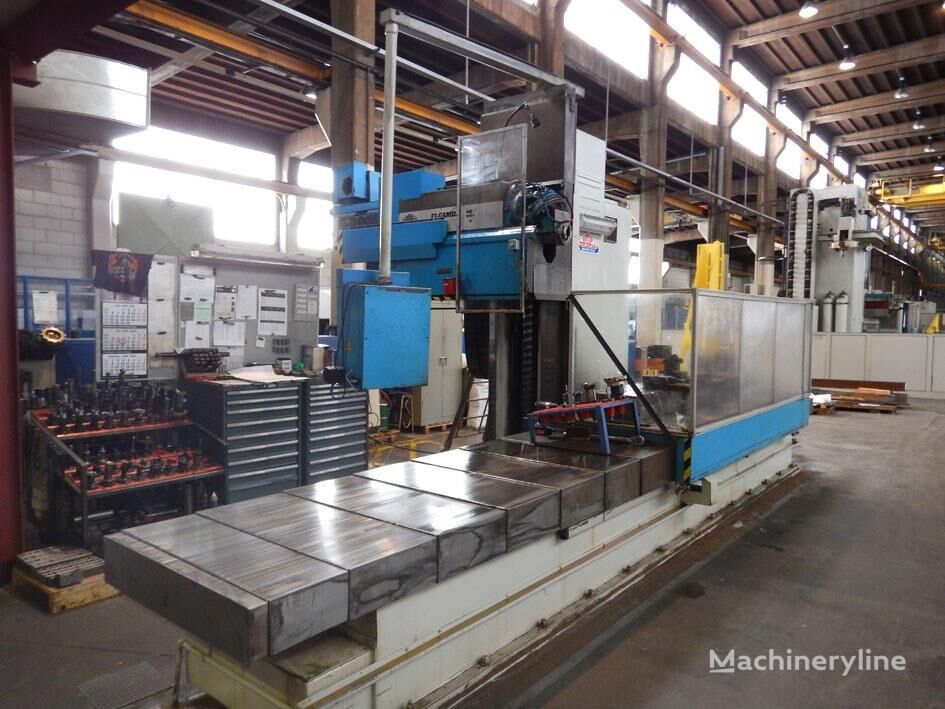
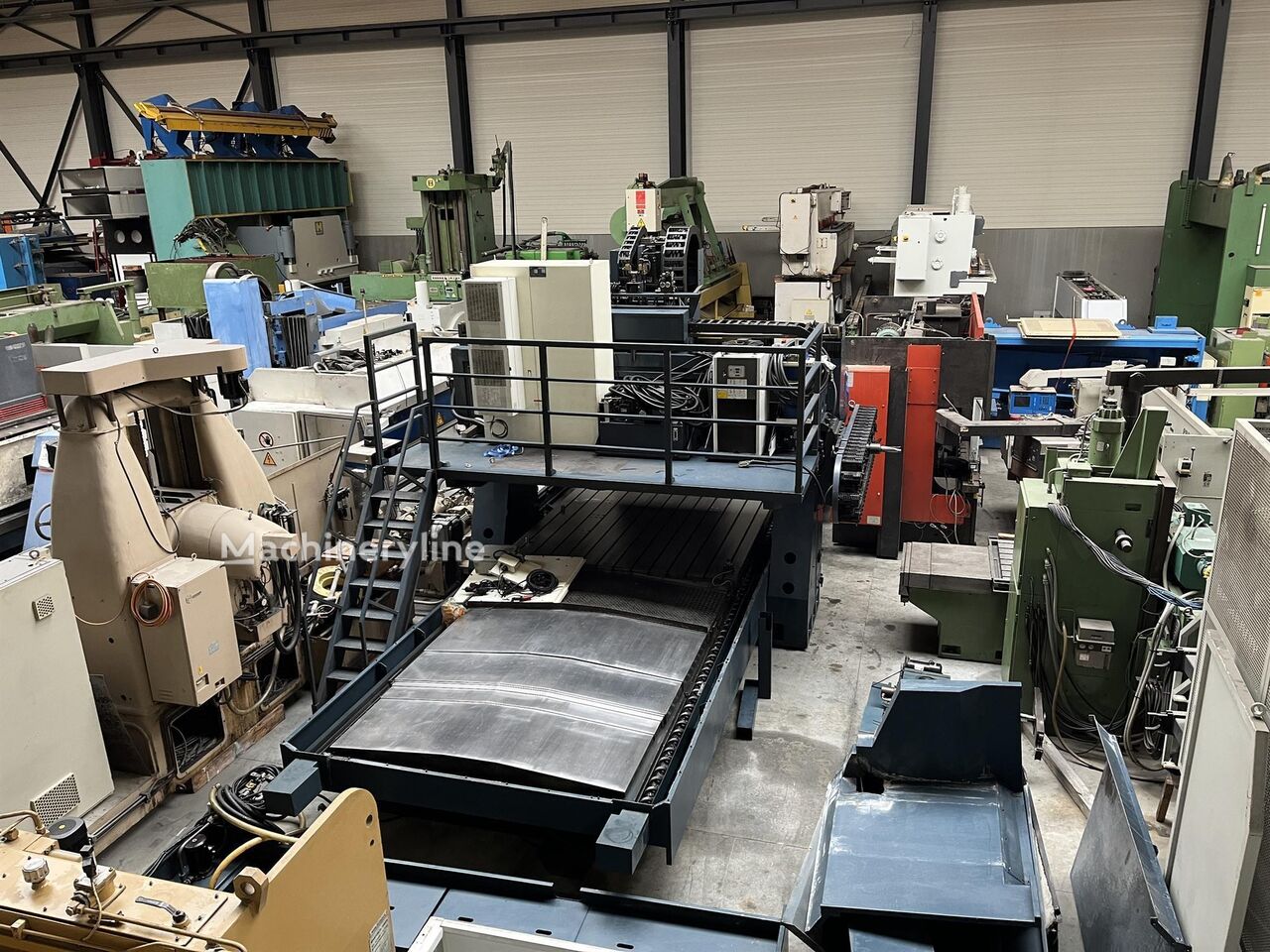
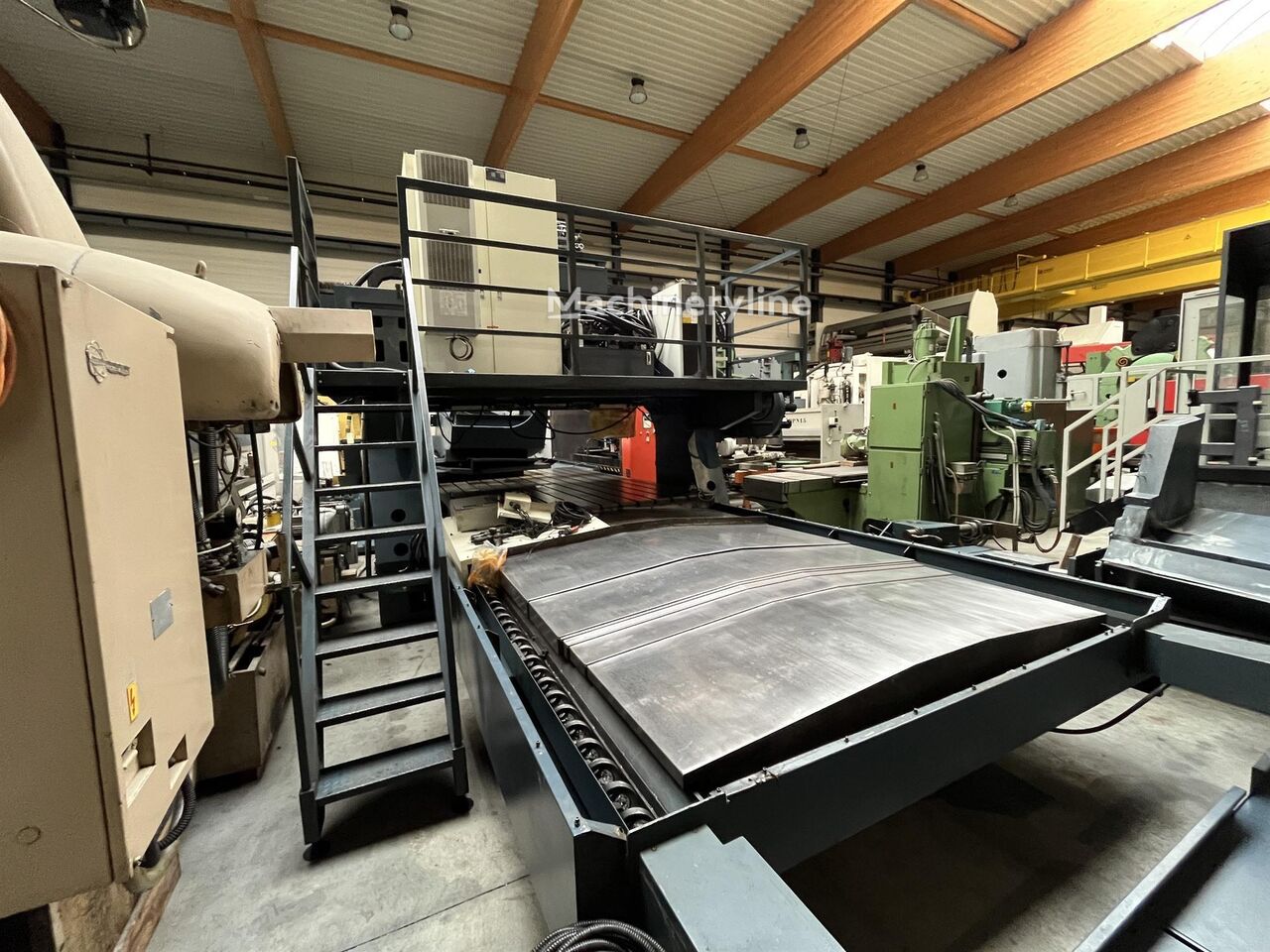
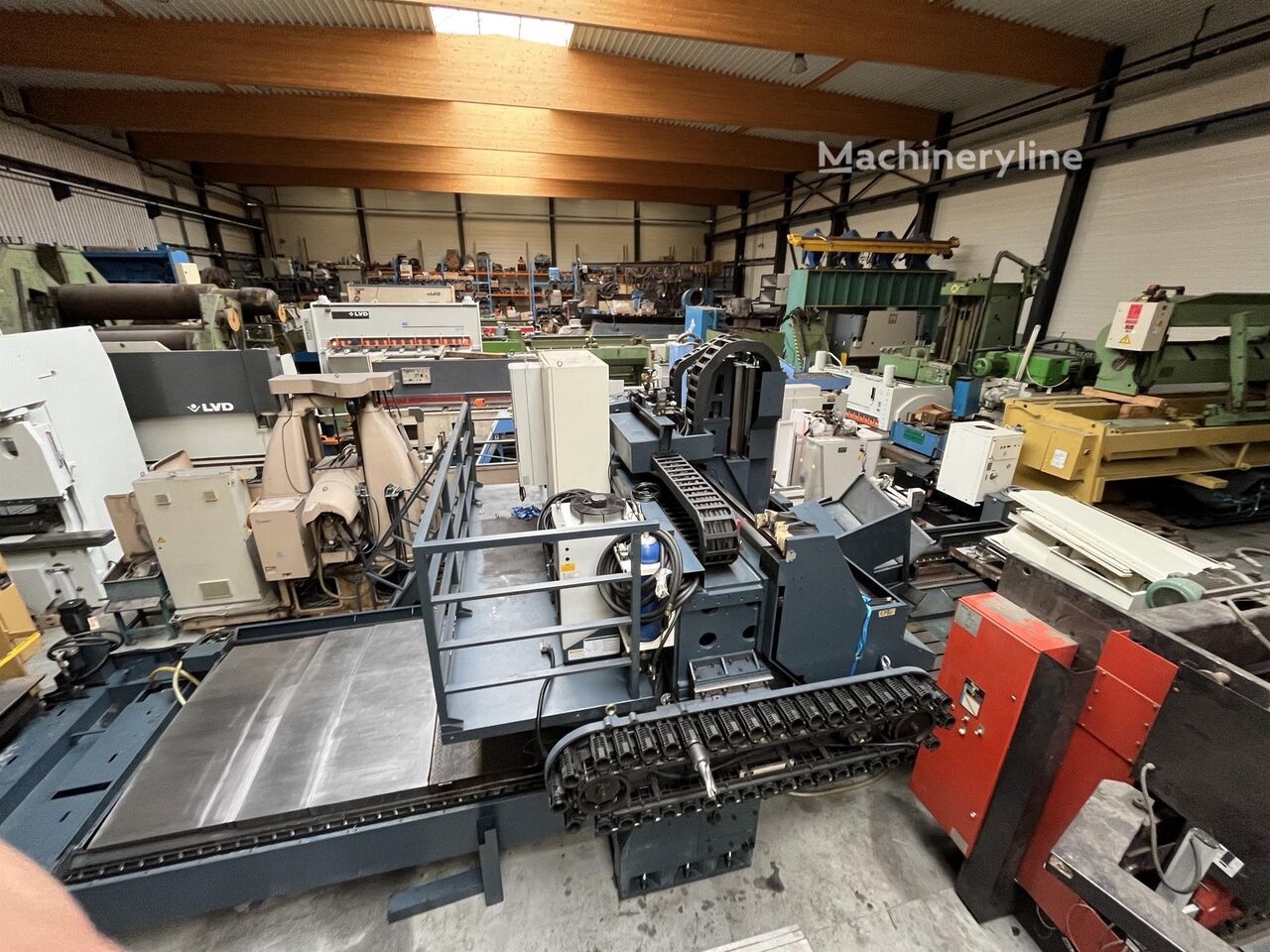
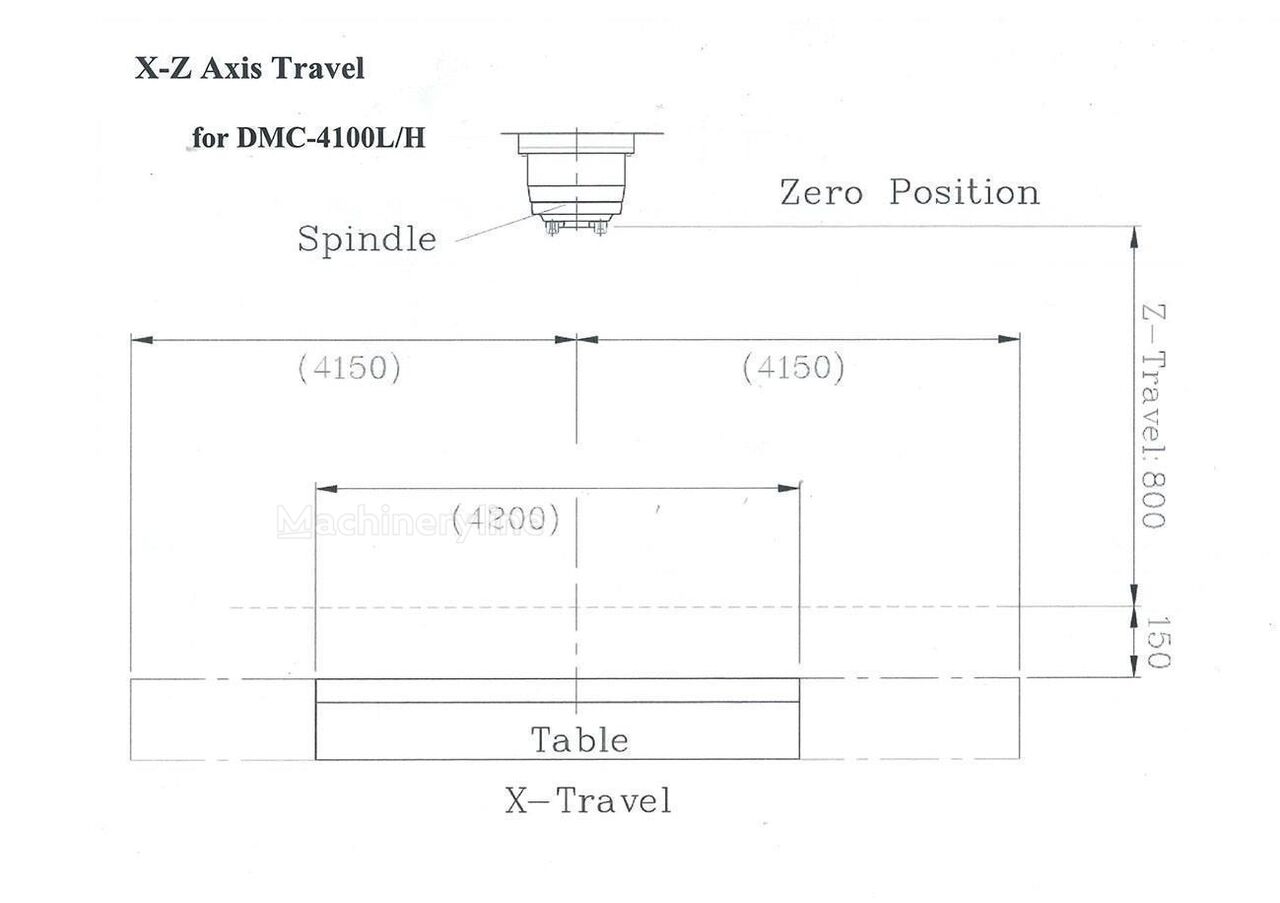
Type: DMC-4100LH 2800 mm between columns!! MA-25 2 axis universal milling head - 20 kW - 6000 rpm gt C-axis range: 0-360° gt A-axis range: +/- 110° Cooling through spindle 40 bar No foundation required!! Johnford double columns are created from massive Meehanite iron castings. These bridge mills have a long base casting with complete support of the table over the full X-axis travel allowing massive loads to be machined. The Y and Z axes hold fixed loads at all times while the X-axis carries the only dynamic load allowing for tight machining and tight tolerances during high-speed machining operations. Because there is no table overhang X-axis pitch and yaw are eliminated. The spindle centerline-to-column distance is minimized offering further rigidity The machine’s heavily ribbed cast iron construction provides long tool life and part surface finish. The combination of complete surround table guarding with twin screw-type conveyors and a caterpillar conveyor ensures complete chip removal with little manual cleaning Additionally Finite Element Analysis (FEA) is used to design each bridge mill simulating the effects of real world conditions including vibration heat fluid flow and other physical impacts The DMC-4100LH feature rigid box ways in Y and Z and Schneeberger roller ways in X for high load carrying capacity. Heavy duty 35HP 2 speed gearbox driven spindles provide heaving cutting power and torque.nbsp Cross travel Y-axe: 2800 mm Dimensions clamping space- table: 4200 x 2400 mm Power on spindle: 30 kW Admission in millinghead (ISO): BT 50 Max speedrange: 6000 rpm Control: Heidenhain TNC 530
About this machine
The Johnford DMC-4100LH is a used milling machine — sometimes referred to as a machining centre or bridge mill — designed for the precision metal removal of large, heavy workpieces. Milling machines of this double-column bridge type are widely used in aerospace, automotive tooling, mould and die, and heavy engineering industries where both table capacity and dimensional accuracy are critical. Johnford is a Taiwanese machine tool manufacturer with a long-standing reputation for building heavy-duty double-column and bridge-type milling machines that serve precision manufacturing industries worldwide.
The machine is equipped with an MA-25 two-axis universal milling head producing 20 kW at the head itself, with spindle power at 30 kW. The maximum spindle speed is 6,000 rpm, and the spindle taper is BT 50 (ISO). A two-speed gearbox drives the spindle, providing high torque for heavy cutting operations. Coolant is delivered through the spindle at 40 bar, supporting high-efficiency material removal and extended tool life. The C-axis offers a full 0–360° range, while the A-axis swings ±110°, giving the milling head broad angular flexibility for complex five-axis work.
The table measures 4,200 × 2,400 mm, and the cross travel on the Y-axis is 2,800 mm — a figure that also reflects the clear distance between the columns. This generous work envelope allows extremely large and heavy components to be clamped and machined without repositioning. The machine requires no special foundation, simplifying installation. The structural framework is constructed from solid Meehanite cast iron with heavy ribbing throughout, a material chosen for its vibration-damping properties and dimensional stability. Finite Element Analysis was used during the design process to simulate real-world loads including vibration, heat, and fluid flow, optimising rigidity before manufacture.
The guideways are arranged to minimise dynamic loading: the Y and Z axes carry fixed loads at all times, while the X-axis alone bears the dynamic load, eliminating table overhang and the associated pitch and yaw errors. Box ways are used on the Y and Z axes for high load capacity, while Schneeberger roller guideways are fitted on the X-axis. The spindle centreline-to-column distance is kept short to maximise rigidity during high-speed passes.
Chip management is handled by twin screw-type conveyors combined with a caterpillar conveyor, together providing thorough chip evacuation across the full table area with minimal manual intervention. The control system is a Heidenhain TNC 530. The machine is located in Belgium and is offered in used condition.
This description was generated automatically from the listing details and may not reflect every specification. Please confirm with the seller before purchase.